

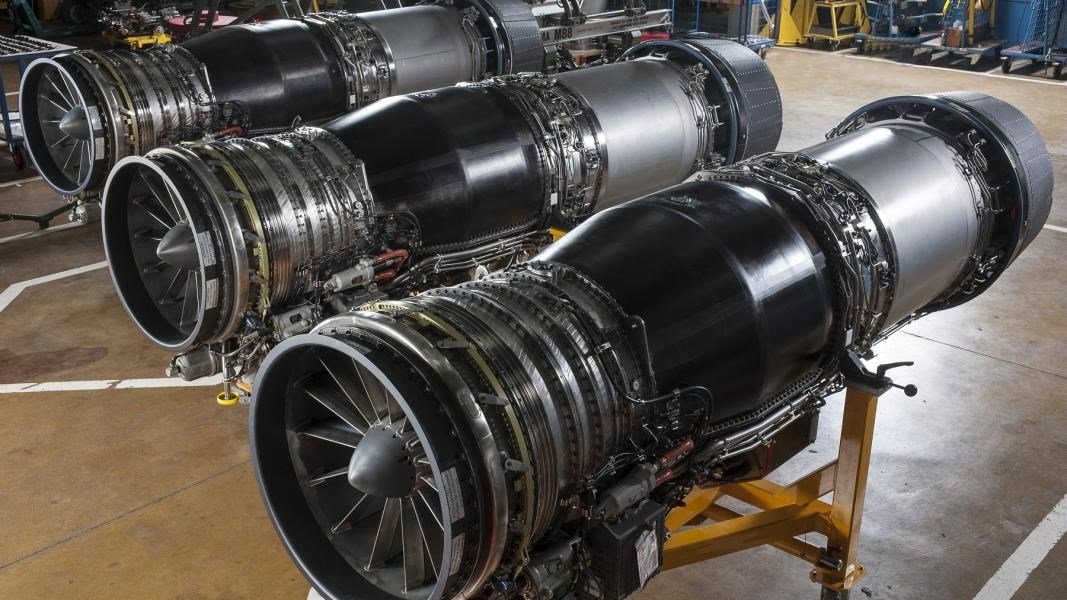
Safran Aircraft Engines has announced a major expansion of its Le Creusot manufacturing facility in France, aimed at increasing production capacity for complex rotating components used in both civil and military aircraft engines. The project represents an investment of €70 million and reflects Safran’s strategy to strengthen its internal supply chain while supporting the growing demand for advanced aero engines.
Currently, the Le Creusot site specializes in machining low-pressure turbine disks for CFM International’s LEAP and CFM56 engines, which power popular narrowbody aircraft such as the Airbus A320 and Boeing 737. With the planned expansion, the facility will also begin producing complex rotating parts for the M88 engine used in the Rafale fighter jet and the GE90 engine powering the Boeing 777 widebody aircraft.
The expansion will significantly increase the site’s production capabilities and workforce. Safran plans to grow the number of employees at the facility from 200 to approximately 300 by 2032. Once completed, the 9,000 square meter extension will expand the site’s total industrial space to 26,000 square meters, further strengthening its role as a key component manufacturing hub within Safran’s global production network.
In addition to supporting civil aviation programs, the facility will become the second production source for complex rotating components of the M88 engine, complementing Safran’s existing operations in Évry-Corbeil. This development will enhance production resilience and support the expected ramp-up in deliveries of engines used for the Rafale fighter aircraft.
Machining operations for the M88 components are expected to begin in 2026 within the current facility, before moving to the expanded production area once construction is completed. The upgraded site is scheduled to become fully operational by 2029.
The Le Creusot facility is considered one of Safran’s flagship industrial sites and operates under Industry 4.0 manufacturing standards, integrating advanced digital processes, automated production management systems, and high-level engineering capabilities. Many of the machining operations are performed using closed-door automated machining centers that run continuously with minimal human intervention, improving production efficiency and consistency.
Through this expansion, Safran aims to strengthen industrial resilience, increase production flexibility, and support the needs of both civil aviation and defense customers worldwide.
